Contents
What Is Day Trading?
How Much Can a Crypto Day Trader Make?
How To Start Day Trading Cryptocurrency
Is Crypto Day Trading Worth it?
What Are the Best Indicators for Day Trading Cryptocurrency?
What Should You Look For When Day Trading Crypto?
How Does Market Sentiment Affect Crypto Day Trading?
What Are Other Cryptocurrency Trading Strategies?
Is Day Trading Crypto Legal?
The Bottom Line
A Beginner's Guide to Day Trading Crypto
Learn all about day trading crypto with this detailed guide. Learn important strategies, tools, and tips to thrive in the dynamic cryptocurrency market.
Updated January 29, 2026 • 6 min read



Summary
Cryptocurrency trading is evolving, and day trading crypto is at the forefront. This strategy focuses on short-term price movements and requires quick decision-making, deep financial market understanding, and disciplined execution. Unlike long-term investing, day trading demands constant vigilance and adaptability. With the right tools and strategies, traders can navigate the crypto market’s volatility to achieve consistent profits. This guide breaks down everything you need to know — whether you’re a beginner or an experienced trader looking to refine your skills.
What Is Day Trading?
Day trading is the business of trading assets within the same day to gain small profits from temporary price fluctuations. In the constantly evolving cryptocurrency world, it’s a race against time and accuracy.
So, what sets day trading cryptocurrency apart? Well, unlike traditional markets that close after hours, the crypto market is open 24/7 for business — and tools like a crypto credit card can help traders earn crypto rewards on daily purchases while staying active in the market. This has the advantage of creating a virtually limitless list of trading opportunities for the traders — though it leaves them open to the significant risk of overtrading or losing steam.
Unlock the future of money on Gemini
Start your crypto journey in minutes on the trusted crypto-native finance platform
It relies on the blockchain concept, which is trusted for decentralization as it brings about the transparency and security of the transactions.
Day trading strategies are based on technical analysis, awareness of market sentiment, and keen perception of news that may affect volatility. While this kind of trading is not for everyone, people who like activity and actively engage in a fast-paced trading environment find it very rewarding.
How Much Can a Crypto Day Trader Make?
The earnings of a crypto day trader depend on skill, experience, and market conditions. While some traders boast daily profits of hundreds or even thousands of dollars, others also face steep losses.
There are a few key factors influencing profitability:
Volatility: Coins like BTC and ETH often see significant price swings, creating profit opportunities.
Risk Tolerance: Profitable traders set clear boundaries for acceptable losses and stick to them.
Scalping Frequency: High-frequency strategies like scalping can lead to small, consistent profits but require focus and discipline.
Can Day Trading Make a Living?
Some traders make a living through disciplined strategies, but it's not guaranteed. Beginners should focus on building skills and managing risks before relying on trading as a primary income source.
It's crucial to remember that day trading is not a guaranteed path to wealth. Successful traders invest in education, practice, and advanced tools to refine their strategies.
How To Start Day Trading Cryptocurrency
Starting your journey as a crypto day trader requires preparation and a clear strategy — here’s what to know to start your day trading journey:
Set a Specific Time Frame
Identify your trading time frame based on your goals and availability. Popular intervals for day traders include 15-minute, 1-hour, and 4-hour charts. Shorter time frames help capture quick price movements, while longer ones allow for broader trend analysis.
Perform Technical Analysis
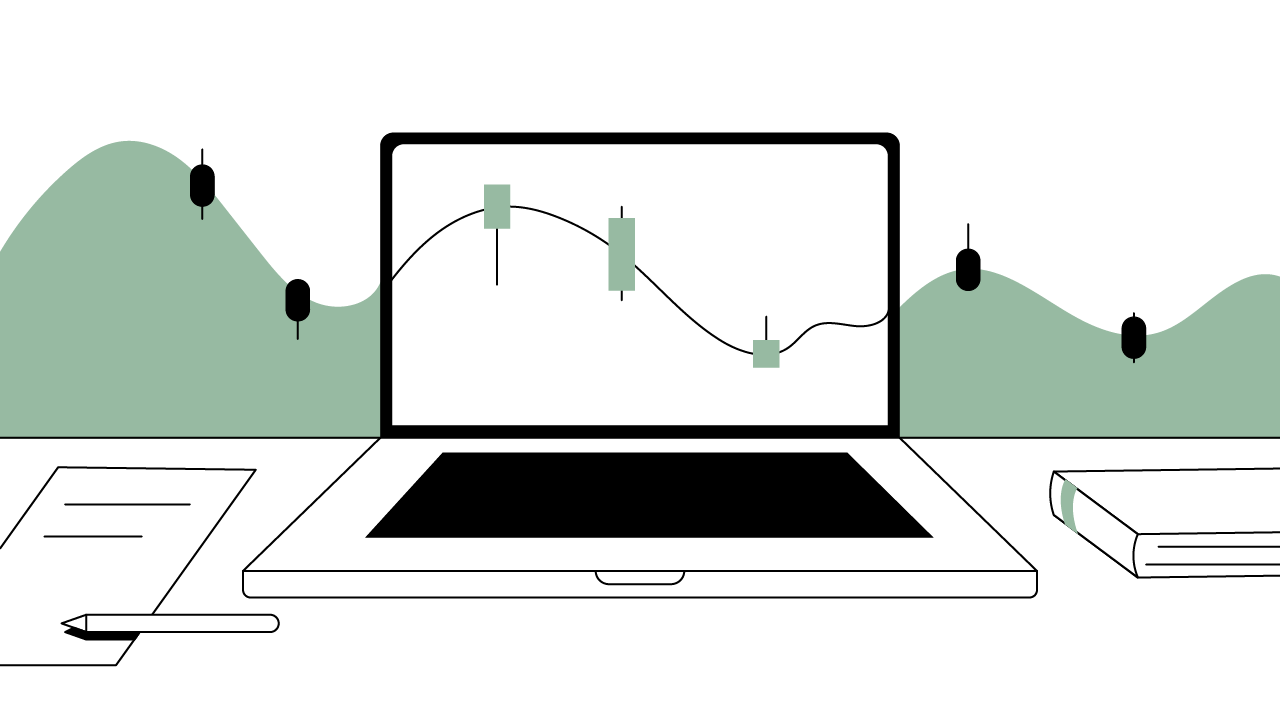
Technical analysis is the backbone of day trading, and by learning to read candlestick charts and recognize patterns, traders can make data-driven decisions. Tools like moving averages and Bollinger Bands can help you identify trends and entry points.
Practice Risk Management
Effective risk management is key to long-term success. Use stop-loss orders to minimize potential losses and take-profit levels to lock in gains. Never risk more than 1-2% of your capital on a single trading day.
Assess your comfort level with risk tolerance. High volatility can lead to rapid gains — or losses. Setting clear boundaries ensures you stay within your financial limits.
Is Crypto Day Trading Worth it?
Day trading cryptocurrency offers significant opportunities — but it isn't without challenges. Whether it’s worth your time depends on your goals, risk tolerance, and commitment to learning.
Some of the most attractive advantages of crypto day trading are:
High-Profit Potential: Short-term strategies can generate quick returns.
Flexibility: you can trade anytime, anywhere, making it suitable for remote work.
However, day trading crypto can have a couple of potential downsides, too. For example, day trading requires significant focus and time. Plus, without discipline, the volatility that provides profits can also lead to losses.
If you’re disciplined, well-informed, and equipped with a solid risk management strategy, day trading crypto can be a great rewarding venture.
What Are the Best Indicators for Day Trading Cryptocurrency?
Successful day traders rely on a variety of technical indicators to make informed decisions. Here are some of the key indicators for day trading:
Relative Strength Index (RSI)
RSI estimates the speed of value changes to distinguish overbought or oversold conditions. Divergence among RSI and price trends can demonstrate upcoming reversals.
Moving Averages (MA)
Moving averages track average prices over a specific time frame, revealing trends and price movements. The simple moving average (SMA) provides an average over time, while the exponential moving average (EMA) responds quicker to recent prices. Crossovers between short and long-term MAs are common signals for trend changes.
MACD (Moving Average Convergence Divergence)
MACD highlights trend reversals and momentum strength. Bullish signs occur when the MACD line crosses over the Signal Line, and bearish signals when it crosses below. Its histogram shows momentum strength, helping with timing entries and exits.
Volume
Volume measures trade activity, confirming trends and market sentiments. High volume during price movements supports trend strength, while low volume can signal weakness. It’s also crucial for validating breakouts and distinguishing real moves from false signals.
To use indicators effectively, it’s generally best to combine multiple indicators for the most holistic, well-rounded view, especially when tracking assets like ETH. Many traders buy ethereum and rely on these tools to time entries and exits. Try to match indicators with your time frame, too — for example, use RSI for short-term trades.
What Should You Look For When Day Trading Crypto?
When day trading, choosing the best crypto is critical. Focus on digital assets with high liquidity, significant price movements, and strong market sentiments.
High Volatility
Cryptocurrencies like Bitcoin and Ethereum are known for their rapid price fluctuations. This high volatility creates opportunities for profit within short periods. Traders also monitor the Solana price, as its volatility and growing ecosystem have made it a popular choice for short-term trading opportunities.
High Liquidity
Assets with high trading volume ensure the smooth execution of trades. High liquidity reduces slippage, which is crucial when entering or exciting positions quickly.
Market Cap
Large-cap cryptocurrencies are more stable and less prone to sudden drops. For beginners, these assets provide a safer entry point.
Market Sentiment
Stay updated on news and events that impact market sentiment. Social media trends, government regulations, and economic developments can all influence trader behavior.
Resistance Levels
Identifying support and resistance levels helps pinpoint optimal entry and exit points, minimising risk and maximising returns.
How Does Market Sentiment Affect Crypto Day Trading?
Market sentiment, the collective mood of traders and investors, significantly impacts crypto day trading. Social media trends, news, and global events can quickly sway prices and trading volumes — for example, a tweet from an influential figure or news of regulatory changes can trigger rapid price shifts.
Leveraging Social Media Trends
Platforms like Reddit and Twitter influence sentiment and traders can monitor trending hashtags and use sentiment analysis tools to gauge market tone.
Responding to News and Events
Positive news, such as corporate adoption, often drives prices up, while negative events, like regulatory crackdowns, can lead to sell-offs. Staying updated with reliable news sources helps traders act swiftly.
Tools for Sentiment Analysis
Certain tools can help analyse social media trends, measuring metrics like engagement and sentiment scores to predict price movements.
On-chain analytics platforms can also provide deeper insights, such as tracking how much Bitcoin is moving into or out of exchanges, which can signal shifts in market sentiment. Using these tools together gives traders a clearer picture of how sentiment is likely to affect price action.
While technical analysis focuses on price trends and patterns, sentiment analysis provides a human-centered perspective, allowing traders to anticipate emotional market reactions. Combining both approaches can lead to more informed and successful trading decisions.
What Are Other Cryptocurrency Trading Strategies?
Diversifying your approach with alternative strategies can improve overall performance.
Arbitrage
Buy low on one exchange and sell high on another. Arbitrage exploits price differences across platforms, offering quick profits with minimal risk. It requires monitoring multiple exchanges simultaneously to act quickly when opportunities arise.
Scalping
This strategy focuses on small, frequent gains. Scalping requires quick execution and is best suited for assets with high liquidity and low fees. Traders often use short time frames, such as 1-minute or 5-minute charts, to maximize efficiency.
Range Trading
Trade within defined price ranges by identifying support and resistance zones. This method is ideal for stable market conditions. It works best when the market lacks a clear trend, making price movement more predictable.
HODL (Buy and Hold)
Hold onto crypto assets despite short-term volatility. This long-term strategy emphasizes potential growth over time. Investors often use this strategy for coins they believe have strong future potential.
Futures Trading
Speculate on future prices without owning the underlying asset. While this strategy offers leverage, it also comes with increased risk.
Is Day Trading Crypto Legal?
Yes, day trading crypto is legal in most countries. However, the specifics of regulations can vary depending on where you live:
Compliance: Many governments require traders to report capital gains from crypto trading. Ensure that you understand your local tax obligations.
Regulations: Trusted platforms like Gemini, Binance, and Coinbase adhere to local and international laws, providing secure and legal trading environments.
Bans: Some nations have outright banned cryptocurrency trading (e.g., China), while others impose restrictions that limit trading activity.
Make sure to research your country’s cryptocurrency regulations, focusing on taxation and trading permissions. To avoid unsafe crypto trading, go for cryptocurrency exchanges that comply with the financial laws in your jurisdiction. It’s also important to make sure you keep records of all trades, withdrawals, and deposits for tax filing purposes.
If you’re trading in the crypto world, familiarising yourself with the legal landscape is important — learning the rules early can guard against investment loss and peace of mind.
The Bottom Line
Day trading crypto is an exciting but demanding pursuit — day trading can bring major rewards if you’re willing to put time into learning. By paying attention to market trends and understanding your risk tolerance, you can approach the cryptocurrency market a bit more confidently.
If you know the tools and strategies and have committed to learning, then you can take challenges, convert them into opportunities, and do well in the crypto trading world.
Ready to get started? Sign up with Gemini and get started with crypto day trading today. Whether you’re a beginner or a seasoned trader wanting more advanced tools, join thousands of other traders who trust Gemini.

Is this article helpful?